

Known across the world as the Pink City, Jaipur is much more than a destination of majestic palaces and vibrant bazaars. Guided by the principles of Vastu Shastra, astronomy, and urban planning, the city was envisioned as a harmonious blend of functionality, beauty, and cultural identity.
In 2019, Jaipur’s historic Walled City earned the prestigious recognition of a UNESCO World Heritage Site, acknowledging its exceptional urban planning, architectural heritage, and living traditions. Beyond its famous landmarks, Jaipur is home to remarkable forts, museums, gardens, temples, and cultural spaces that continue to inspire architects, designers, and urban planners from around the world.
1. Nahargarh Fort – A Fortress with a View
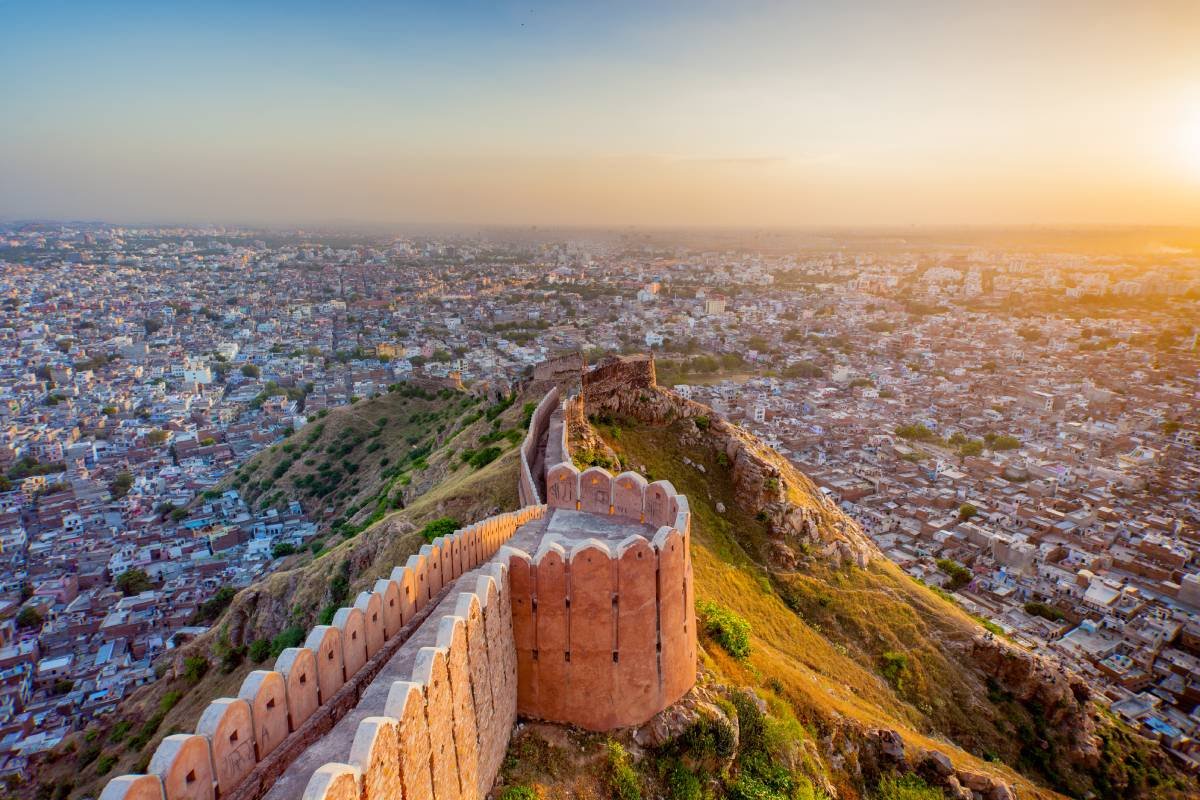
Perched high on the rugged Aravalli Hills, Nahargarh Fort offers one of the finest examples of hilltop military architecture in Rajasthan. Originally built in 1734 by Maharaja Sawai Jai Singh II, the fort was designed to strengthen Jaipur’s defence while maintaining a commanding view of the city below. One of its most fascinating features is the Madhavendra Bhawan, a palace comprising identical suites arranged around interconnected courtyards, reflecting an exceptional understanding of spatial planning and privacy. Today, Nahargarh stands as a testament to how architecture can harmoniously integrate with natural landscapes while preserving functionality, resilience, and aesthetic grandeur.
2. Jaigarh Fort – Engineering Excellence in Stone
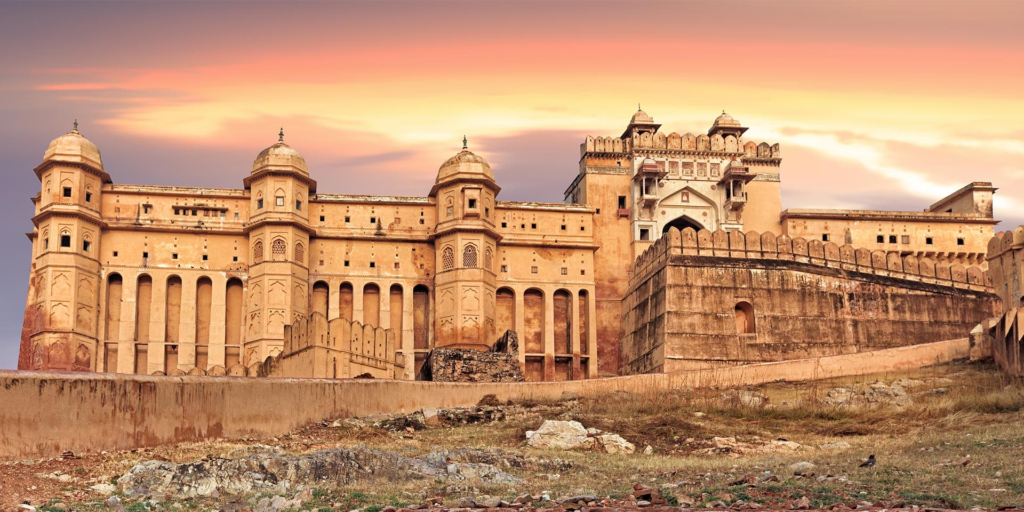
Standing proudly above Amer Fort, Jaigarh Fort is often celebrated as one of India’s finest examples of military engineering. Built primarily for defence, the fort features massive fortified walls, concealed passageways, sophisticated rainwater harvesting reservoirs, and extensive armouries. It is also home to the legendary Jaivana Cannon, once regarded as the world’s largest cannon on wheels. Beyond its military significance, Jaigarh demonstrates remarkable engineering precision and sustainable resource management. Every bastion, courtyard, and watchtower reflects the strategic brilliance of Rajput architecture, proving that practical design and monumental beauty can coexist seamlessly.
3. Albert Hall Museum – A Masterpiece of Indo-Saracenic Architecture
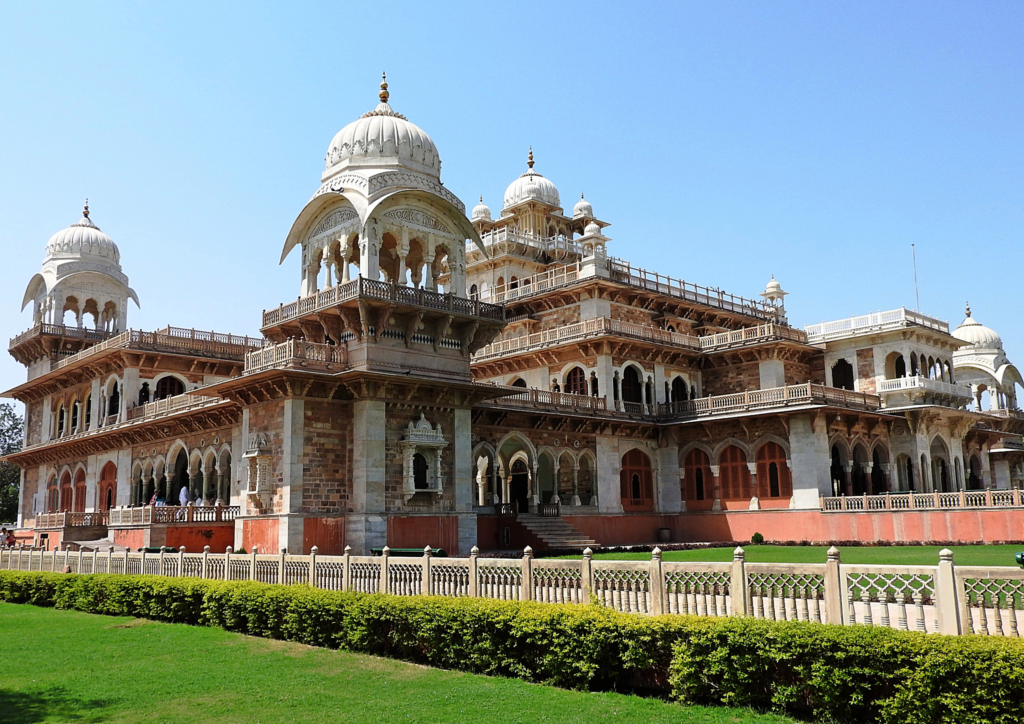
Situated in the heart of Ram Niwas Garden, Albert Hall Museum is among Jaipur’s finest examples of Indo-Saracenic architecture. Designed by Sir Samuel Swinton Jacob, the museum beautifully combines Rajput, Mughal, Islamic, and Victorian architectural influences into one harmonious composition. Ornamental domes, graceful arches, detailed stone carvings, and expansive verandahs create a structure that is as captivating outside as the treasures it houses within. More than a museum, Albert Hall represents a dialogue between cultures and architectural traditions, showcasing how diverse influences can come together to create a timeless civic landmark.
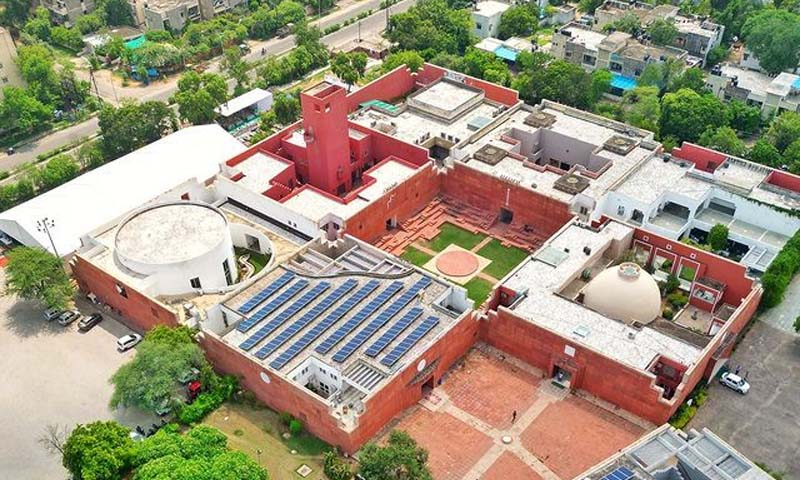
4. Jawahar Kala Kendra – Tradition Reimagined by Charles Correa
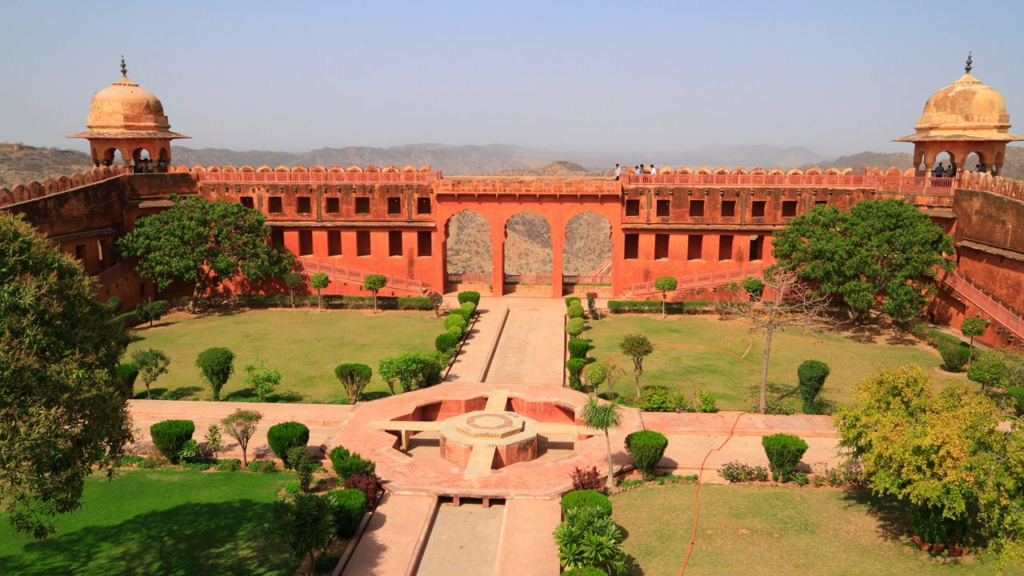
Designed by renowned architect Charles Correa, Jawahar Kala Kendra is one of India’s most celebrated examples of contemporary architecture rooted in traditional planning principles. Inspired by Jaipur’s original nine-square urban grid and concepts from Vastu Shastra, the cultural centre transforms ancient planning philosophies into a vibrant public space for art, theatre, and cultural exchange. Its interconnected courtyards, geometric forms, bold colours, and open circulation create an engaging spatial experience while responding sensitively to Jaipur’s climate. It remains a benchmark for architects seeking to merge heritage with modern design thinking.
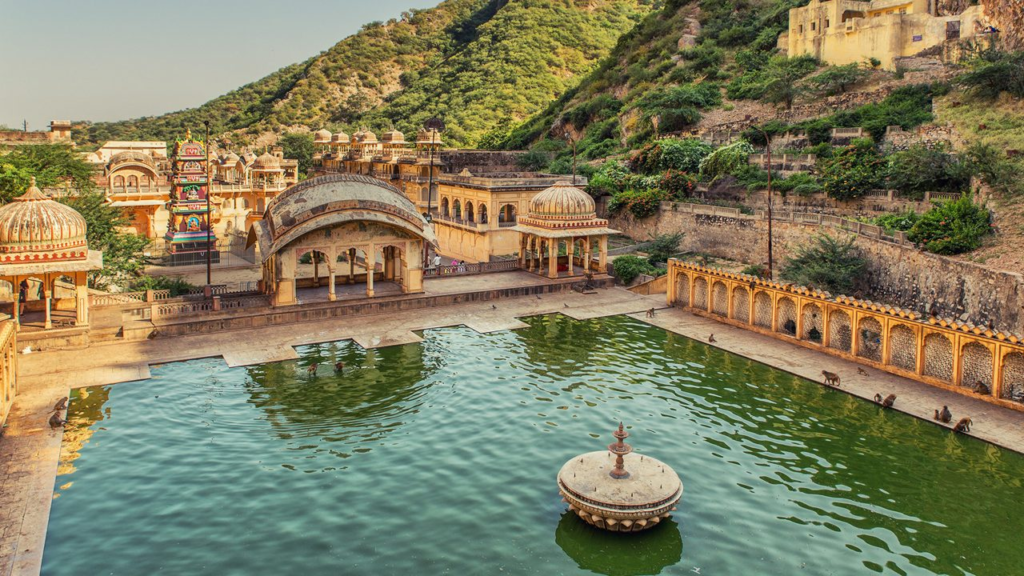
5. Galtaji Temple – Sacred Architecture in Harmony with Nature
Nestled within the Aravalli Hills, Galtaji Temple is a remarkable fusion of architecture, spirituality, and natural landscape. Constructed using pink sandstone, the temple complex features intricately designed pavilions, temples, sacred kunds, and natural springs that have sustained pilgrims for centuries. Unlike conventional temple complexes, Galtaji embraces the surrounding terrain, allowing architecture and nature to coexist seamlessly. Its sophisticated water management system and terraced planning reflect an understanding of sustainability long before the term became commonplace, making it an inspiring example of environmentally responsive sacred architecture.
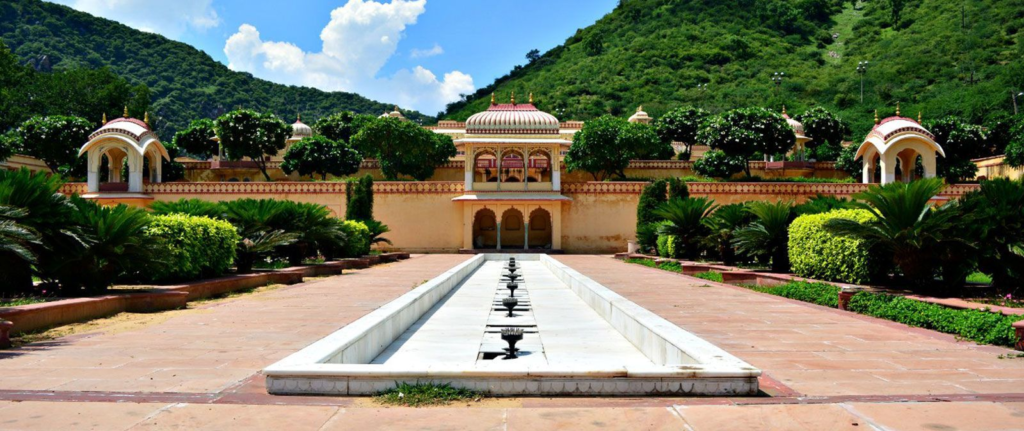
6. Sisodia Rani Garden – Landscape Designed for Royal Retreat
Built in 1728 by Maharaja Sawai Jai Singh II, Sisodia Rani Garden is a stunning example of how landscape architecture can complement built form. Inspired by Mughal garden planning, the site features beautifully terraced gardens, elegant pavilions, flowing water channels, fountains, and vibrant frescoes depicting the life of Lord Krishna. Every level of the garden has been thoughtfully arranged to create a serene sequence of spaces that encourage movement, reflection, and visual harmony. It demonstrates how architecture extends beyond buildings to shape meaningful relationships between people, water, vegetation, and open space.
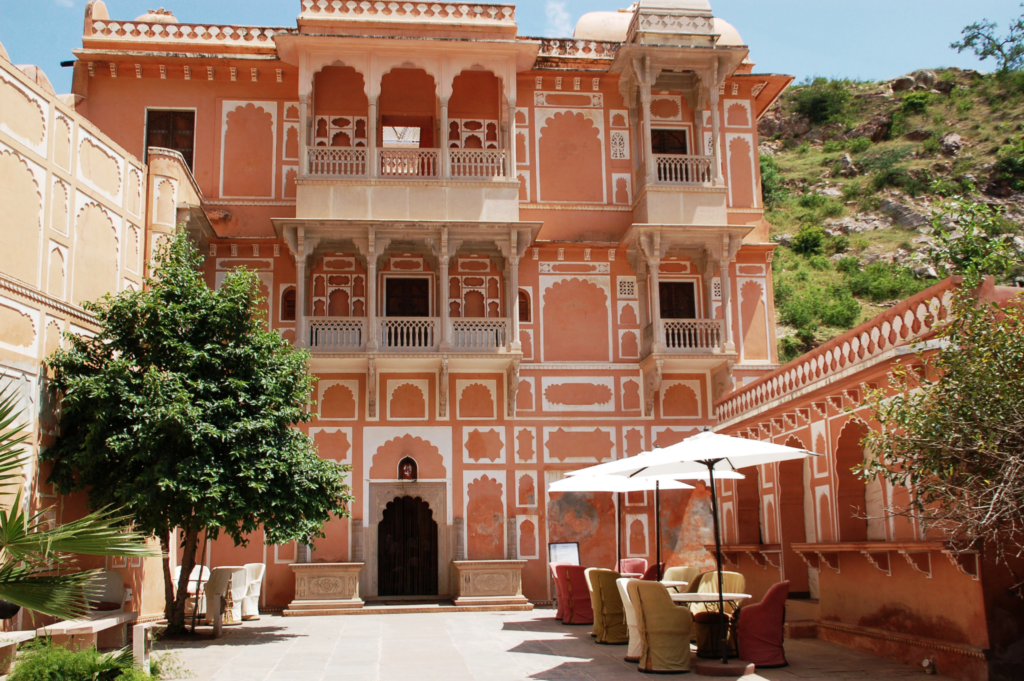
7. Anokhi Museum of Hand Printing – Preserving Heritage Through Adaptive Reuse
Located within a restored traditional haveli near Amer Fort, the Anokhi Museum of Hand Printing is a remarkable example of adaptive reuse and heritage conservation. Instead of replacing an ageing structure, architects carefully restored its original character while transforming it into a vibrant cultural institution. Traditional courtyards, stone walls, carved wooden elements, and natural ventilation systems have been thoughtfully preserved, creating an authentic environment that celebrates Rajasthan’s centuries-old textile traditions. The museum demonstrates how historic buildings can be revitalised for contemporary use without compromising their architectural identity or cultural significance.
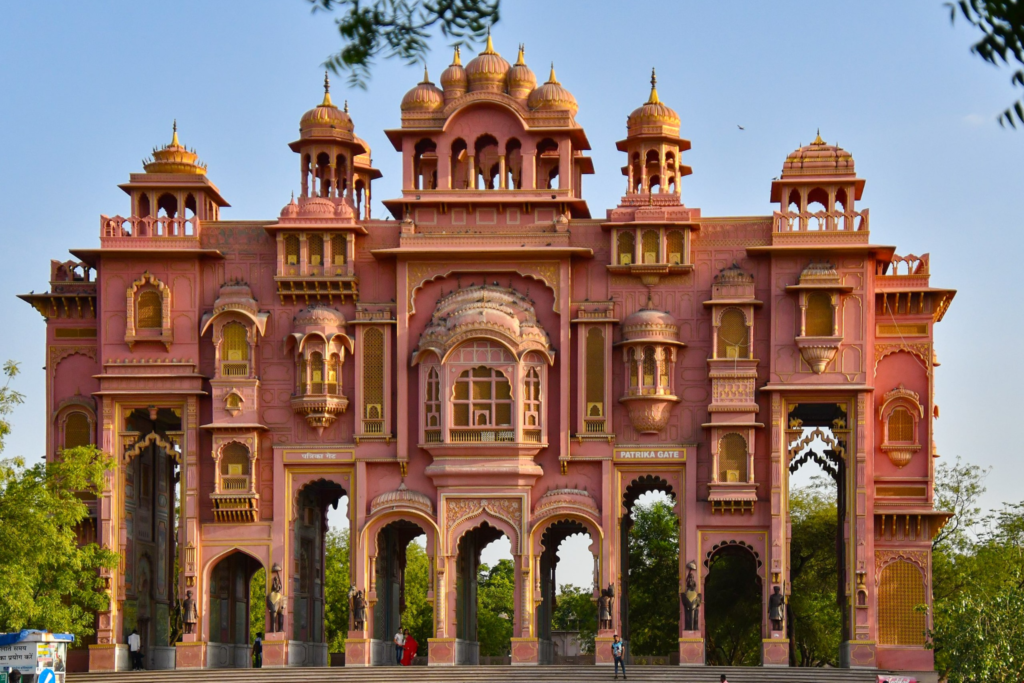
8. Patrika Gate – A Contemporary Celebration of Rajasthan’s Identity
Although relatively new compared to Jaipur’s historic monuments, Patrika Gate has quickly become one of the city’s most recognised architectural landmarks. Every arch, corridor, and painted ceiling showcases Rajasthan’s diverse heritage through vibrant murals, intricate motifs, and colourful craftsmanship. More than just a photogenic destination, the gate functions as a contemporary public space that celebrates local culture and artistic expression. It reflects how modern architecture can honour regional traditions while creating memorable civic landmarks that connect communities and attract visitors from around the world.
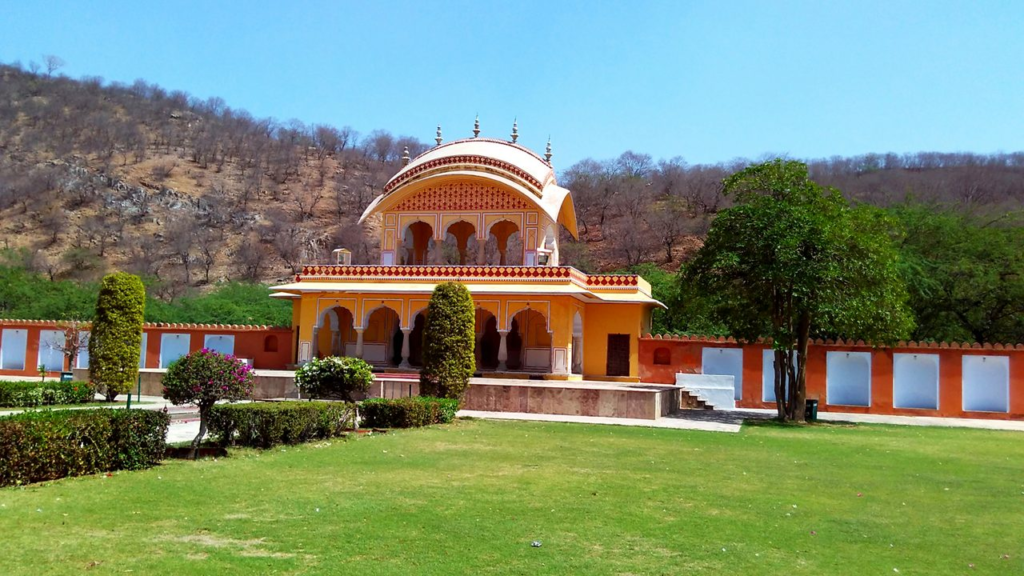
9. Kanak Vrindavan Garden – A Timeless Dialogue Between Nature and Architecture
Situated at the foothills of Nahargarh Fort, Kanak Vrindavan Garden is an elegant blend of Mughal-inspired landscape planning and Rajput aesthetics. Terraced gardens, ornamental fountains, intricately carved chhatris, marble walkways, and symmetrical layouts create an atmosphere of tranquillity while framing spectacular views of the surrounding hills. Designed as a royal leisure retreat, the garden showcases how landscape architecture can enhance both natural beauty and built heritage. Its careful balance of geometry, water, vegetation, and open spaces continues to inspire designers seeking harmony between architecture and the environment.
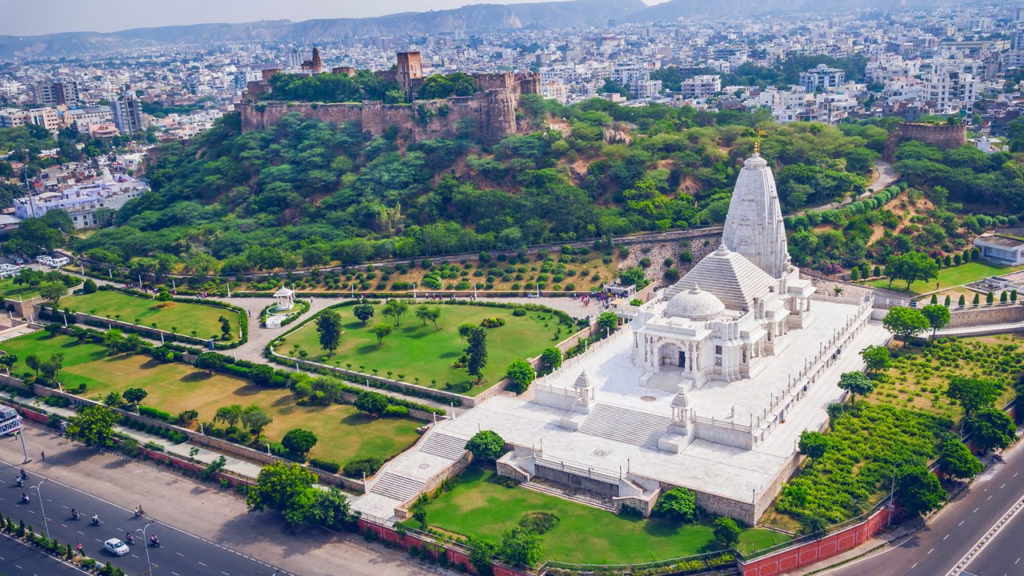
10. Birla Mandir – A Modern Interpretation of Timeless Temple Architecture
Unlike Jaipur’s centuries-old monuments, Birla Mandir represents the city’s evolving architectural narrative. Constructed entirely from pristine white marble, the temple combines traditional Hindu temple planning with clean contemporary detailing and structural precision. Delicate carvings, expansive interiors, and abundant natural light create an atmosphere of serenity while maintaining architectural simplicity. The temple demonstrates that modern construction techniques and timeless spiritual values can coexist beautifully. As one of Jaipur’s most significant contemporary landmarks, Birla Mandir reflects the city’s ability to embrace innovation while respecting its rich architectural heritage.
A City That Continues to Inspire Design
Jaipur’s architectural legacy extends far beyond its most famous monuments. While landmarks like Hawa Mahal and Amer Fort define the city’s global identity, its lesser-known forts, gardens, museums, temples, and cultural spaces reveal an equally compelling story of innovation, sustainability, craftsmanship, and thoughtful planning. Each destination reflects a unique chapter in Jaipur’s evolution, demonstrating how architecture can respond to climate, culture, community, and changing times without losing its essence.
For architects, designers, and anyone passionate about the built environment, Jaipur serves as a living classroom where history and contemporary thinking exist in perfect harmony. These hidden gems remind us that great architecture is not only measured by its scale or grandeur but by its ability to create meaningful experiences, preserve cultural identity, and inspire future generations. As Jaipur continues to evolve, its architectural treasures remain timeless examples of design that are deeply rooted in place, purpose, and people.