
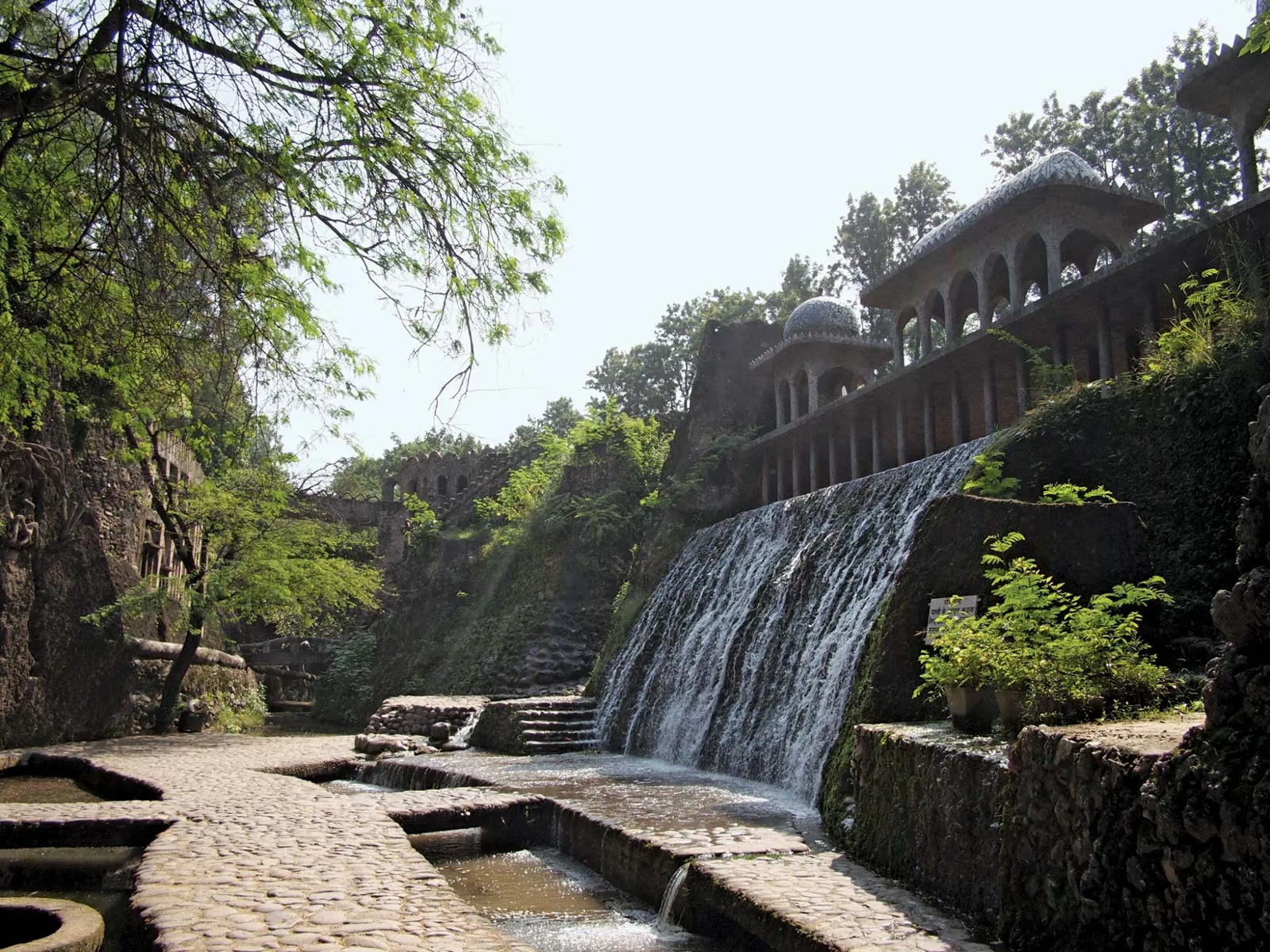

Chandigarh is unlike any other city in India. Conceived as the country’s first planned city after Independence, it was envisioned by legendary architect Le Corbusier as a symbol of modern India – where architecture, urban planning, nature, and public life exist in perfect harmony. Every sector, boulevard, public square, and green space was carefully designed to create a city that is both functional and beautiful, earning Chandigarh its enduring title as “The City Beautiful.”
1. Sukhna Lake
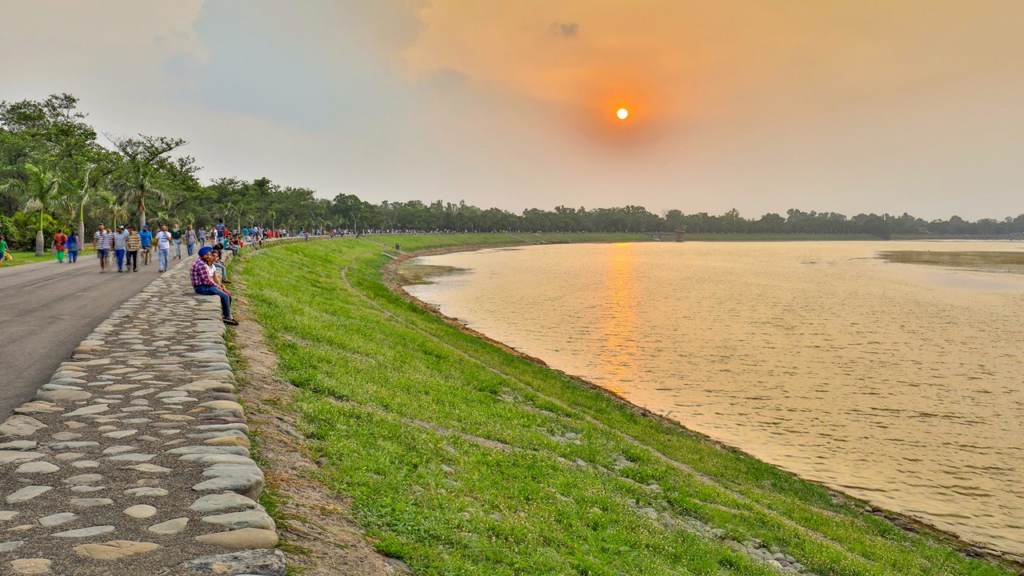
Nestled against the backdrop of the Shivalik Hills, Sukhna Lake is one of Chandigarh’s most cherished public spaces. Designed as an integral part of Le Corbusier’s master plan, the man-made reservoir was created to offer residents a peaceful retreat where nature and urban life coexist seamlessly. Today, it remains the city’s favourite destination for morning walks, cycling, boating, and breathtaking sunrise views.
Beyond its scenic beauty, Sukhna Lake reflects the planning philosophy that defines Chandigarh. Rather than treating open spaces as an afterthought, the city’s designers envisioned them as essential elements of everyday life. Families gather here during weekends, artists find inspiration along its promenade, and migratory birds transform the lake into a thriving ecological habitat during winter. It is this blend of recreation, ecology, and thoughtful urban planning that makes Sukhna Lake far more than just a tourist attraction, it is the soul of Chandigarh.
2. Open Hand Monument
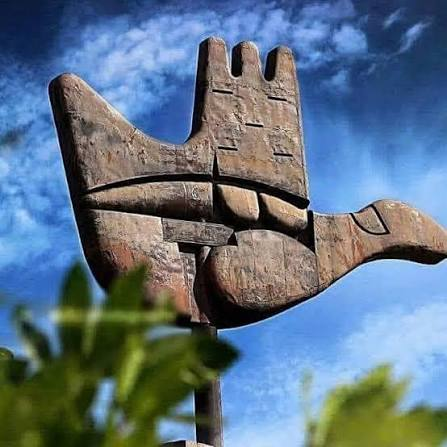
Towering above the Capitol Complex, the Open Hand Monument is perhaps the most powerful symbol of Chandigarh’s identity. Designed by Le Corbusier himself, the monumental sculpture rotates freely with the wind and carries a timeless message: “Open to Give, Open to Receive.” It represents peace, reconciliation, and the free exchange of ideas and values that formed the foundation of the city’s creation.
Unlike conventional monuments that commemorate historical events, the Open Hand Monument embodies a philosophy. It reminds visitors that architecture is not merely about constructing buildings but about shaping societies and encouraging dialogue. Standing before this iconic landmark offers a deeper appreciation of Chandigarh’s progressive vision, making it an essential stop for anyone interested in the city’s architectural legacy.
3. Gandhi Bhawan
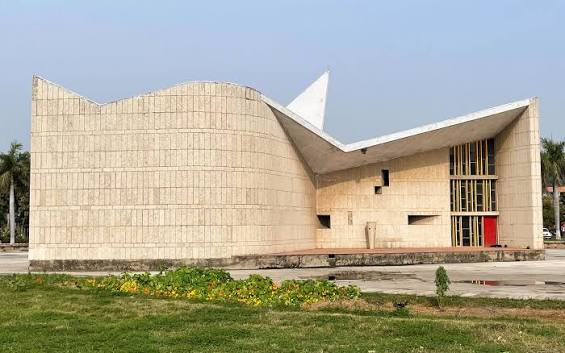
Located within the lush campus of Panjab University, Gandhi Bhawan is widely regarded as one of India’s finest examples of modern institutional architecture. Designed by Swiss architect Pierre Jeanneret, Le Corbusier’s cousin and close collaborator, the building’s distinctive lotus-inspired form appears to float above a reflecting pool, creating an architectural composition that is both elegant and symbolic.
Dedicated to the ideals and philosophy of Mahatma Gandhi, the building serves as a centre for research and dialogue while continuing to inspire architects from around the world. Its exposed concrete surfaces, geometric forms, and seamless relationship with water and landscape demonstrate how modern architecture can be both functional and poetic. Gandhi Bhawan remains a testament to Chandigarh’s enduring influence on architectural education and design thinking.
4. Zakir Hussain Rose Garden
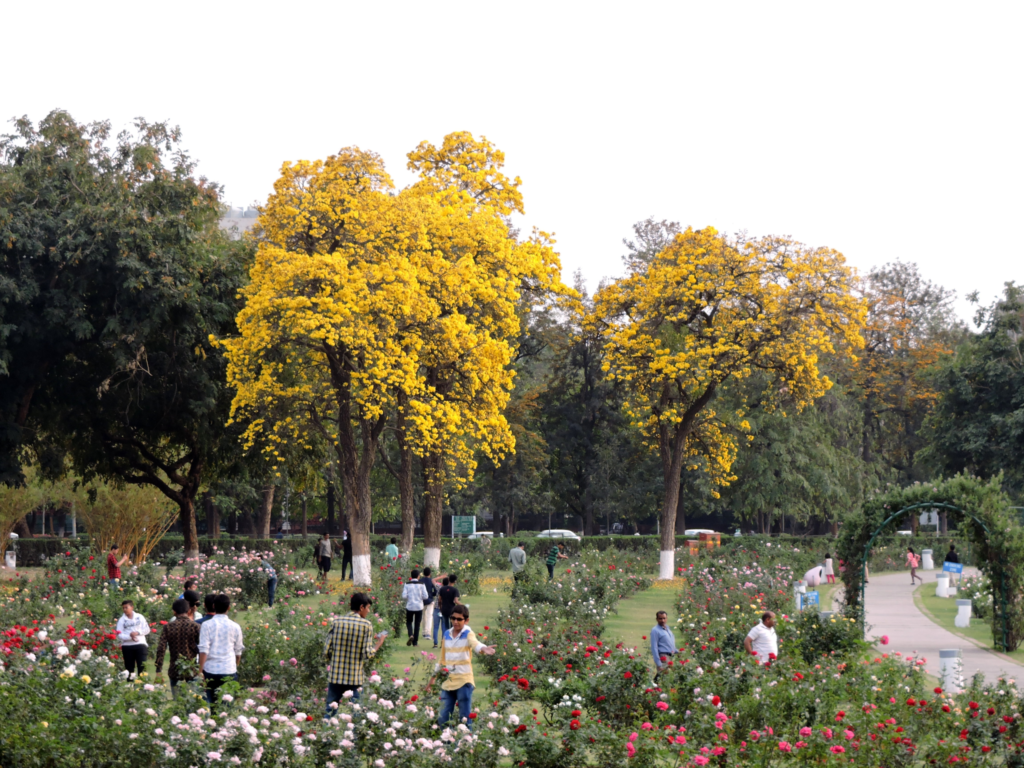
Spread across nearly 30 acres, the Zakir Hussain Rose Garden is the largest rose garden in Asia and one of Chandigarh’s most vibrant green spaces. Home to thousands of rose varieties alongside medicinal plants, fountains, and tree-lined pathways, the garden perfectly complements the city’s vision of integrating nature into everyday urban life.
Throughout the year, visitors are greeted by colourful floral displays, but the garden truly comes alive during the annual Rose Festival. Cultural performances, flower exhibitions, and community celebrations transform the landscape into a lively public gathering space, highlighting Chandigarh’s commitment to preserving both its natural beauty and cultural traditions. It is a destination where horticulture, recreation, and civic life flourish together.
5. Pierre Jeanneret Museum
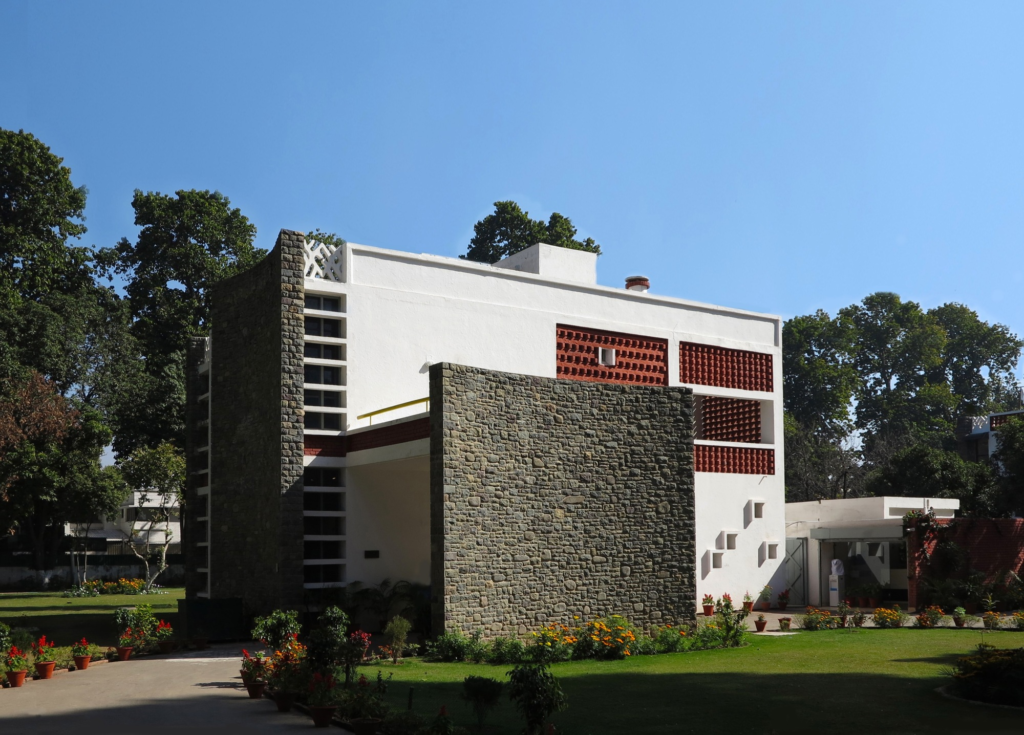
For those who wish to understand the story behind Chandigarh’s creation, the Pierre Jeanneret Museum offers a fascinating journey into the city’s architectural past. Once the residence of Pierre Jeanneret, the house has been carefully restored and transformed into a museum that preserves original furniture, sketches, photographs, letters, and personal artefacts belonging to the architect.
Walking through its rooms provides an intimate glimpse into the life of one of the visionaries responsible for shaping Chandigarh. The museum not only celebrates Jeanneret’s immense contribution to the city’s development but also showcases the iconic furniture and design language that have become internationally admired. It serves as a fitting tribute to the collaborative vision that transformed Chandigarh into a global benchmark for modern urban planning.
Experience the Essence of Chandigarh
Chandigarh’s appeal lies in its remarkable ability to balance architecture, culture, and nature within a meticulously planned urban landscape. From the tranquil shores of Sukhna Lake and the symbolic Open Hand Monument to the architectural brilliance of Gandhi Bhawan, the floral beauty of the Rose Garden, and the historical significance of the Pierre Jeanneret Museum, each destination offers a different perspective on the city’s identity.
Together, these five landmarks reveal why Chandigarh continues to be celebrated as one of India’s greatest planning achievements. They showcase a city where visionary architecture meets thriving public spaces, where heritage coexists with modernity, and where every street and landmark contributes to a timeless story of thoughtful design.
Also read – 5 Extraordinary Places to Visit in Raipur Beyond the Usual Tourist Trail